

Do You Need a Whole-House Filter? Pros and Cons Explained
When you turn on the tap, do you ever wonder what’s flowing through those pipes? Whether it’s a glass of water for cooking or a refreshing drink on a hot day, the quality of your water is often taken for granted. Many homeowners are discovering that a whole-house water filter might be the key to ensuring clean, healthy water at every faucet. Not only can these systems improve taste and safety, but they could also save your plumbing from hidden dangers. Before you dive into the world of filtration options, let’s explore what whole-house filters offer and consider whether such an investment is right for your home.

How Whole-House Filters Operate
Whole-house filters function through a multi-stage process, ensuring that every drop of water in your home is as pure and clean as possible. Think of it like an artful dance—each component plays a distinct role, working harmoniously to eliminate unwanted elements from your water supply.
Primary Filtration Stages
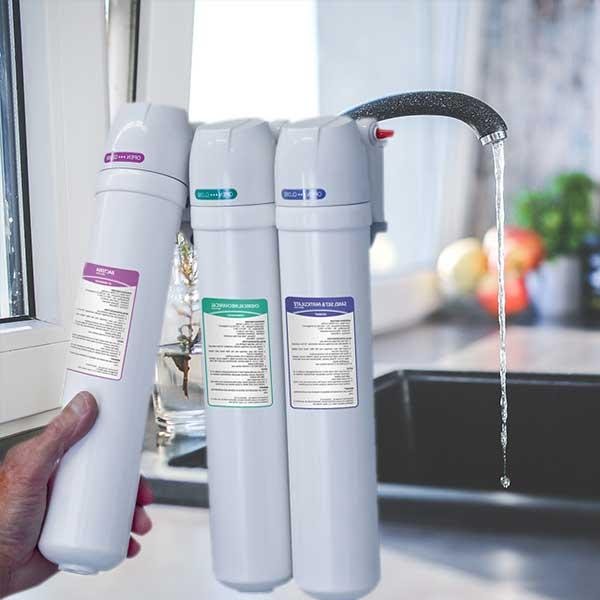
At the core of most systems are three primary filtration stages. The journey begins with the sediment filter, where larger particles such as sand, dirt, and rust are removed, allowing only cleaner water to proceed to the next stage. This initial step is crucial; without it, sediment could quickly clog up more delicate filters downstream.
Moving on to the second stage, we encounter carbon filters—these robust heroes tackle foul-tasting chemicals like chlorine and volatile organic compounds (VOCs). Not only do they improve the taste and odor of your water, but they also enhance its overall quality. Something fascinating to note is that activated carbon is incredibly effective at trapping these contaminants through a process called adsorption, meaning pollutants stick to the surface of the carbon granules.
As we progress into the final filtration stages, you may encounter reverse osmosis membranes or UV filters, which address specific issues like bacteria or heavy metals. Reverse osmosis uses semi-permeable membranes to allow only pure water molecules to pass through while blocking harmful substances. Meanwhile, UV filters harness ultraviolet light to kill off pathogens and microorganisms—think of it as nature’s own disinfection method brought indoors!
Understanding how these systems operate helps homeowners appreciate the full spectrum of benefits they offer for health and home maintenance.
Key Advantages of Whole-House Systems
One of the standout features of whole-house systems is their comprehensive contaminant removal capabilities. According to a study by NSF, these filters can effectively eliminate up to 97% of chlorine and other harmful chemicals, with an impressive lifespan of filtering one million gallons or ten years. This means you can enjoy better-tasting and safer water in every corner of your home, whether it’s at the bathroom sink during your morning routine or while washing vegetables in the kitchen.
But it’s not just about taste; let’s talk about how improved water quality translates into actual health benefits for you and your family.
Clean water contributes significantly to enhanced health. When you reduce exposure to chlorine and chloramine, you may notice marked improvements in your skin and hair, making them less prone to dryness and irritation. The removal of harmful contaminants, such as bacteria and heavy metals like lead, plays a critical role in preventing health issues ranging from gastrointestinal illnesses to developmental problems in children. Imagine the peace of mind that comes from knowing you’re providing your loved ones with water that’s free from these risks.
Additionally, filtering out sediment and hard minerals doesn’t just contribute to cleaner water—it also extends the lifespan of essential home appliances like water heaters, dishwashers, and washing machines. Without the interference of scale buildup and corrosion, these appliances run more efficiently, ultimately reducing maintenance and replacement costs over time. Picture this: investing in a whole-house system not only upgrades your water quality but also safeguards some of your most significant household investments.
Potential Drawbacks to Consider
The most immediate consideration for many homeowners is the financial investment. A decent whole-house filter can set you back anywhere from $500 to over $2,500, depending on its features and capabilities. This initial outlay can be substantial and may become a barrier for some.
On top of that, installation fees often add another $300 to $1,000 to the total cost, which makes many think twice before making the jump into whole-house filtration systems. It’s crucial to account for ongoing maintenance costs, as periodic filter replacements can lead to annual expenses ranging from $100 to $300, heightening your overall financial commitment.
However, it’s not just about the money involved—space considerations also play a significant role in deciding if a whole-house system is right for you. These systems require ample space for installation. Not only do they need a location with easy access to the main water line, but they must be protected against environmental factors too. For smaller homes or those lacking basements or utility rooms, this limitation can be particularly challenging. Allocating adequate space is essential, as improper housing can lead to damage or even malfunction of the filtration unit.
Another important aspect is that these systems may slightly reduce water pressure. This could be noticeable during showers or when running multiple appliances at once. While this pressure drop typically ranges between 5% and 15%, it can affect your daily routines.
Whole-House vs. Point-of-Use Systems
Whole-house systems are designed to treat all the water entering a home, providing a comprehensive solution that filters out impurities before they reach any faucet or appliance. In contrast, point-of-use systems target individual locations, such as kitchen sinks or showerheads, allowing for localized filtration.
When to Choose Whole-House Systems
If your household has multiple bathrooms or kitchens that frequently demand clean water, a whole-house system becomes a wise investment. Imagine preparing a family meal: you need clean water for cooking, washing fruits and vegetables, and even for people taking showers simultaneously. For larger families or homes with significant sediment issues in their water supply, these comprehensive systems offer notable advantages by ensuring that every aspect of your daily life flows seamlessly and safely.
When to Opt for Point-of-Use Systems
On the other hand, point-of-use systems often make more sense for individuals who wish to focus on specific areas without the higher upfront costs of installing a whole-house system. If you’re renting or living in a smaller home where full home coverage doesn’t seem necessary, POU systems can provide flexibility and convenience. They are perfect for treating drinking water at the kitchen sink or purifying shower water to avoid chemicals that can aggravate skin conditions.
Choosing the Right System for Your Home
Selecting the right water filtration system involves assessing several critical factors, including the quality of your water. Start by testing your water to identify which contaminants are prevalent. Services like those offered by Pristine Water Treatment can help you pinpoint specific issues requiring attention. For instance, if you discover high levels of lead, you’ll need a filtration system robust enough to remove that contaminant.
Once you’ve assessed your water quality, consider your budget and the maintenance requirements of different systems. It’s also important to determine the space available for installation. Homes with basements or utility rooms are ideal for whole-house systems, while smaller homes may benefit from more compact options.
Conclusion
Choosing a water filtration system is an investment in your health and the longevity of your household appliances. Whole-house systems provide comprehensive water quality improvements, ensuring safe, clean water throughout your home, while point-of-use systems offer flexibility for more targeted filtration needs. By understanding your home’s unique requirements and the potential contaminants in your water, you can make an informed decision that ensures your family enjoys clean, safe water for years to come.
If you’re considering a whole-house system for your home or have questions, visit Pristine Water Treatment today at 912 Courthouse Road, Stafford, VA 22554, or call us at 540-386-1289.